
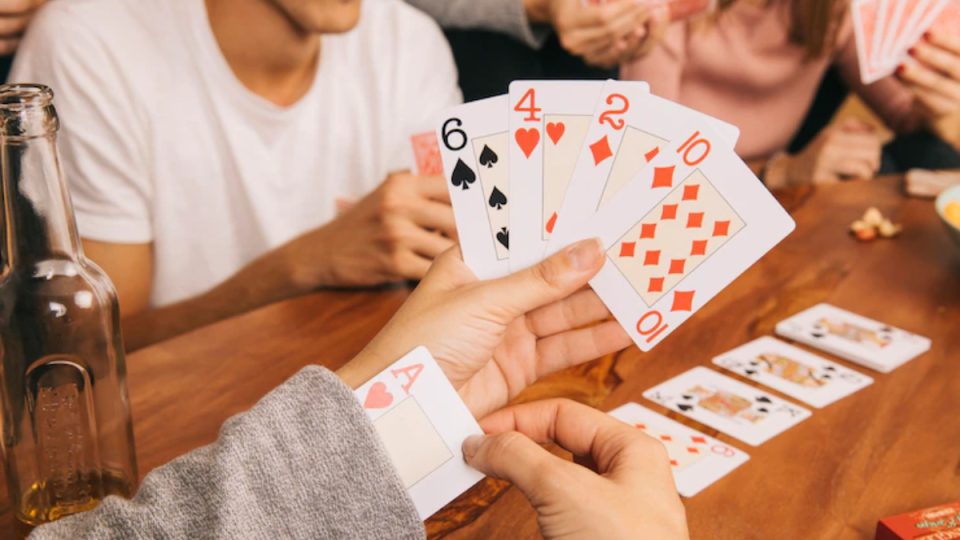
Introduction: A Game of Cards, A World of Possibilities
Few pastimes have transcended time, geography, and culture as elegantly as the card game. Whether played around a kitchen table, in the halls of a grand casino, or on a smartphone screen, card games offer a versatile blend of strategy, chance, and camaraderie. They require no more than a humble deck of cards, yet open the door to endless variations of logic, bluffing, and interaction. From quiet solitaire sessions to spirited bridge tournaments, the enduring charm of card games lies in their adaptability and depth, making them a fixture in the lives of millions worldwide.
A Brief History of Playing Cards
The story of playing cards dates back to ancient China during the Tang Dynasty, where early prototypes resembled tiles or paper dominoes. As cards made their way westward through Persia and Egypt, they underwent several transformations before arriving in Europe in the 14th century. The modern deck—with its four suits, royal face cards, and numerical hierarchy—was standardized in France, forming the foundation for many of today’s most beloved games. Over the centuries, cards evolved into more than a gaming device—they became a symbol of leisure, intellect, and sometimes even rebellion.
Types of Card Games: A Universe Within a Deck
Card games vary greatly in their objectives, mechanics, and social dynamics. This diversity is part of what makes them universally appealing.
1. Trick-Taking Games
These games involve players “taking tricks,” or rounds, by playing the highest-ranking card according to set rules.
-
Examples: Bridge, Hearts, Spades, Euchre
-
Skills involved: Memory, timing, cooperation (especially in team games), and inference
2. Shedding and Matching Games
Here, the goal is to be the first to discard all one’s cards by matching or building upon the play of others.
-
Examples: Uno, Crazy Eights, Speed
-
Skills involved: Quick reflexes, strategic blocking, and awareness of opponents’ potential moves
3. Casino and Gambling Games
These games often combine luck with skill and are typically played for money.
-
Examples: Poker, Blackjack, Baccarat
-
Skills involved: Bluffing, odds calculation, bankroll management, and psychological acuity
4. Solitaire and Patience Games
Designed for individual play, solitaire games offer quiet, reflective entertainment.
-
Examples: Klondike, Spider, Pyramid
-
Skills involved: Planning, foresight, and patience
5. Collectible Card Games (CCGs)
Involving customizable decks and competitive play, these games combine traditional card gaming with fantasy or thematic elements.
-
Examples: Magic: The Gathering, Yu-Gi-Oh!, Pokémon TCG
-
Skills involved: Strategic deck building, resource management, and adaptability
Why Card Games Endure
Despite digital revolutions and ever-evolving entertainment options, card games continue to captivate. Their longevity is not a matter of nostalgia, but of unique, inherent qualities.
Accessibility and Simplicity
A single deck of cards can offer hundreds of different games. Card games are low-cost, portable, and easy to learn, making them accessible to people of all ages and backgrounds.
Mental Stimulation
Many card games demand logical reasoning, memory, mathematical skill, and strategic foresight. In fact, playing cards is often cited as a way to maintain cognitive function and delay age-related mental decline.
Social Bonding
Whether it’s a light-hearted game of Rummy among friends or a serious round of Poker at a club, card games foster communication, competition, and shared moments. They offer a structured yet flexible social activity that brings people together.
Versatility Across Cultures and Contexts
From American poker nights to India’s Diwali rummy marathons, from Europe’s intricate bridge circles to East Asia’s evolving trading card scenes, card games adapt beautifully to local customs and global trends alike.
Psychological Appeal of Cards
The mix of skill and luck in most card games creates a thrilling unpredictability. The act of drawing a card, bluffing an opponent, or playing the perfect hand engages the mind in a way that’s both exciting and deeply satisfying.
Tips for Enjoying and Excelling at Card Games
1. Learn the Rules Thoroughly
Every card game has its own rhythm and set of mechanics. Start with simpler games before progressing to those with deeper strategic layers. Reading official rulebooks or watching tutorials can accelerate your understanding.
2. Practice with Purpose
Card games, like chess or language learning, reward repetition. The more you play, the more nuanced your decision-making becomes.
3. Observe and Adapt
In multiplayer games, reading your opponents’ behavior, habits, and betting patterns can be as crucial as understanding your own hand. Emotional intelligence is just as important as analytical skill.
4. Balance Risk and Patience
Knowing when to take bold action and when to fold or hold back is a hallmark of advanced play. It’s not just about winning a hand—it’s about managing your resources wisely across the entire session.
5. Keep the Spirit Friendly
While card games can be highly competitive, they are also meant to be enjoyed. Respect, fairness, and good sportsmanship enhance the experience for everyone at the table.
The Digital Renaissance of Card Games
Online platforms have transformed the card-playing experience, offering new ways to enjoy traditional games and explore innovative variations.
Benefits of Online Card Games
-
Ability to play with opponents from around the world
-
Access to tutorials and AI opponents for practice
-
Varied formats, from casual play to ranked tournaments
-
Convenience and variety in game selection
Still, many purists cherish the tactile feel of real cards and the interpersonal nuances of in-person play. The ideal experience often lies in combining both—learning online, playing live.
Conclusion: More Than Just a Game
Card games are a unique cultural artifact—simple yet profound, old-fashioned yet enduringly modern. They sharpen the mind, connect people, and offer a blend of entertainment and education few other pastimes can match.
In a world dominated by screens and fleeting distractions, card games remind us of the enduring pleasure of thoughtful engagement, face-to-face interaction, and the joy of an unexpected win. Whether played for stakes, strategy, or sheer fun, the card game remains an art form—a beautiful balance of intellect, instinct, and human connection.
