
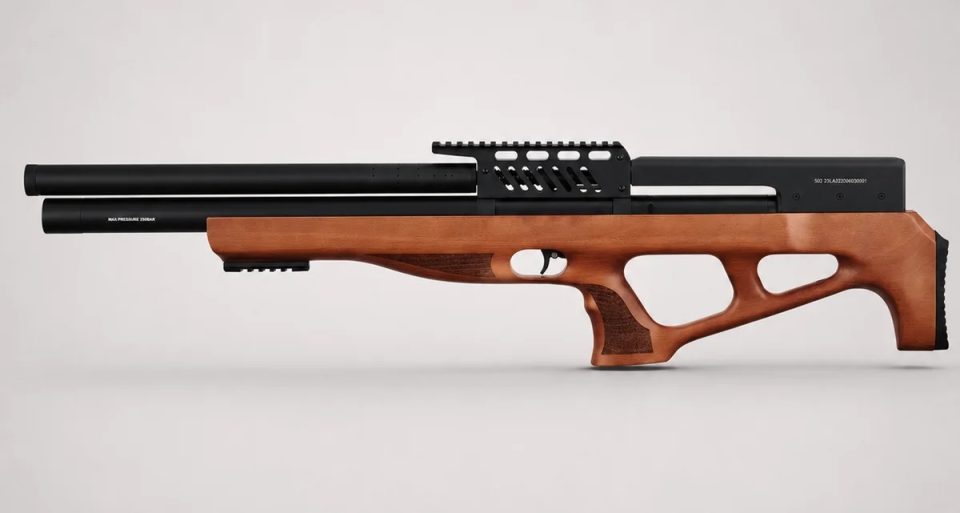
PCP airguns have changed considerably over the past several years. While the basic principle remains the same—using compressed air to propel a pellet—modern platforms are increasingly focused on consistency, efficiency, ergonomics, and practical handling.
One of the biggest improvements is regulation. Older or basic PCP systems can experience noticeable velocity changes as reservoir pressure drops. A regulated system is designed to deliver a more controlled amount of air to the firing valve, helping maintain a more consistent shot cycle. For shooters who spend time practicing at the range, that consistency can make the entire experience more predictable.
Air efficiency is another area where newer designs have made progress. A larger air reservoir does not automatically mean a better rifle. What matters is how efficiently the system uses that available air. Modern PCP platforms increasingly balance reservoir capacity, regulator settings, caliber, and power to provide a useful number of shots without making the rifle unnecessarily large or heavy.
The physical design has changed as well. Bullpup configurations are particularly popular because they can provide a relatively compact overall package while retaining a useful barrel length. This can make the rifle easier to maneuver and transport, especially for shooters who prefer a shorter platform.
Ergonomics also deserve more attention than they received in older airgun designs. Adjustable or better-shaped stocks, improved grips, Picatinny rails, threaded barrels, and more practical magazine systems can make a difference during extended shooting sessions. These features are not necessarily about increasing raw power; they are about making the platform easier to use.
Caliber selection has also become more flexible. .177 remains popular for target practice and economical shooting, while .22 and .25 platforms can appeal to shooters looking for heavier pellets and different ballistic characteristics. The right choice depends on the intended use, local regulations, and the rifle’s specific power level.
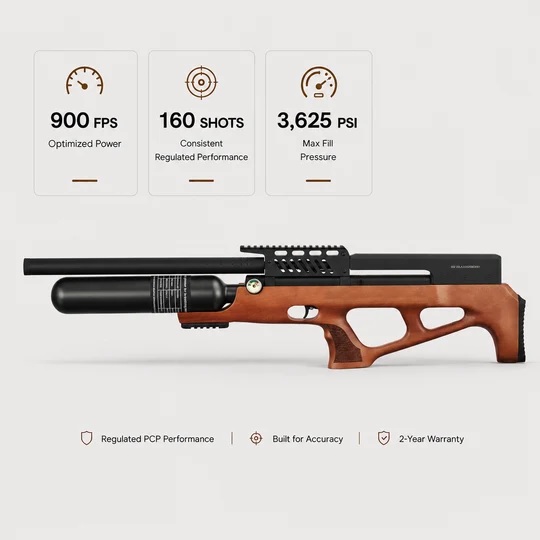
For anyone comparing modern platforms, it makes sense to look beyond advertised velocity. A more useful checklist includes regulated shot count, reservoir size, fill pressure, overall weight, trigger characteristics, magazine capacity, and how the rifle fits the shooter’s preferred setup.
That is where next-generation PCP airguns stand apart from many older designs. The focus is increasingly on balancing several characteristics rather than maximizing a single specification.
A modern PCP does not have to be the most powerful rifle on the market to be a good platform. For many shooters, consistent performance, manageable handling, efficient air use, and a practical configuration matter just as much as headline FPS numbers.
