
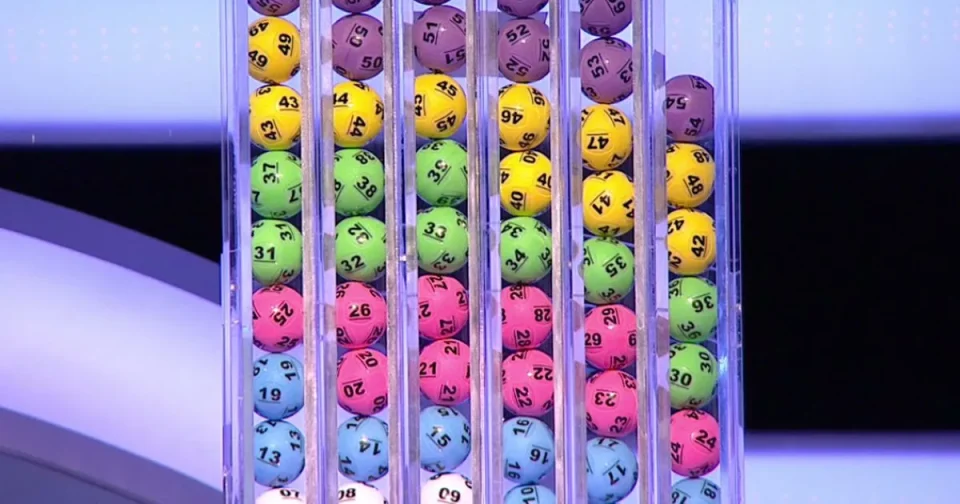
Introduction: The Lottery as a Cultural Phenomenon
Few concepts are as universally understood and deeply embedded in popular imagination as the lottery. It is a game of numbers and pure chance, yet its appeal lies far beyond mathematics. The lottery offers an intoxicating promise—a life transformed overnight, an escape from financial constraints, a sudden elevation to a lifestyle once reserved for the elite. Across continents and cultures, millions buy into this dream with a small ticket and big hopes. But the lottery is not merely a gamble for wealth; it reflects human psychology, societal values, and complex economic dynamics that are worth exploring in depth.
The Origins and Evolution of the Lottery
Lotteries are far from modern inventions. Their roots stretch back to ancient civilizations. The Han Dynasty in China used keno-like games to help finance major infrastructure projects, while the Romans held lotteries to distribute gifts during public festivities. By the 15th century, European cities were organizing public lotteries to raise funds for town fortifications and charitable causes. In England, Queen Elizabeth I introduced a national lottery in 1569 to fund the expansion of ports and harbors.
In modern times, national and state-run lotteries have become institutionalized, often used to fund public initiatives such as education, health care, or transportation. The format has evolved—from simple draws to multi-million-dollar jackpots, scratch cards, and digital entries. Despite its ancient lineage, the lottery continues to adapt and thrive in the digital age.
Why People Play: The Psychology of the Lottery
On the surface, lottery tickets are irrational purchases. The odds of winning a major jackpot are astronomically low—often less than one in several hundred million. Yet, millions play regularly. The reasons are deeply psychological and reveal much about human nature.
Hope and Escapism
A lottery ticket is more than a piece of paper—it’s a temporary escape. For many, it offers a mental holiday from everyday struggles, bills, and routines. The fantasy of what could be is often worth the price of admission alone.
Low Entry, High Reward
Unlike investments or entrepreneurial ventures, the lottery requires no expertise, risk management, or planning. With just a few dollars, anyone can take a shot at unimaginable wealth. This accessibility is a major draw.
Social and Cultural Influence
In many communities, playing the lottery is a shared ritual. Office pools, family traditions, or neighborhood groups all contribute to a collective experience. Advertisements and media also glamorize winners, reinforcing the belief that “it could be you.”
Cognitive Biases at Play
Several cognitive distortions drive lottery participation:
-
Optimism Bias: The belief that one is more likely than others to experience positive outcomes
-
Availability Heuristic: The ease with which we recall lottery winners makes us overestimate our own chances
-
Sunk Cost Fallacy: Long-time players feel they are “due” a win because they’ve invested so much already
Types of Lotteries and Formats
Today’s lotteries come in many forms, catering to various preferences and demographics.
1. Traditional Draw Lotteries
These involve selecting numbers from a pool, with regular weekly or bi-weekly draws. Mega Millions and Powerball in the United States are prime examples, often offering jackpots in the hundreds of millions.
2. Instant Win or Scratch-Offs
Popular for their immediacy, scratch cards provide an instant thrill and often lower-tier prizes. Though the jackpot amounts are smaller, the odds of winning something are typically better.
3. Number Games and Keno
These games involve choosing a set of numbers and waiting for randomized results. They’re often played in retail settings or online, offering frequent draws and varying prize levels.
4. Online Lotteries and Syndicates
Digital platforms now allow players to enter international lotteries or join syndicates, increasing their odds through pooled tickets. This global access has broadened the lottery’s reach and convenience.
Economic and Social Implications
While lotteries are often framed as harmless fun, their broader impact is more nuanced.
Revenue Generation for Public Good
Many governments allocate lottery proceeds to fund public services. Education, infrastructure, cultural programs, and even healthcare systems benefit from these revenues, making the lottery a voluntary form of taxation.
Regressive Spending Patterns
Critics argue that lotteries disproportionately affect lower-income individuals, who may spend a higher percentage of their earnings on tickets. The dream of sudden wealth can, in some cases, exacerbate financial insecurity rather than relieve it.
Addiction and Problem Gambling
Though less intense than casino gambling, lottery play can lead to compulsive behaviors. Responsible gaming campaigns and age restrictions aim to mitigate these risks, but the concern remains valid.
The Life of a Lottery Winner: Myth vs. Reality
Popular culture often paints lottery winners as living a life of luxury, free from stress and hardship. While some do manage their windfalls wisely, many find the reality more complex.
Common Challenges Faced by Winners
-
Financial Mismanagement: Sudden wealth without financial literacy can lead to poor investments or rapid spending
-
Social Strain: Friends and family may treat winners differently, often leading to isolation or strained relationships
-
Legal and Security Concerns: Large sums of money can attract unwanted attention, lawsuits, or even threats
Smart Steps for Lottery Winners
-
Remain anonymous if permitted by law
-
Hire a team of trusted advisors (financial planner, attorney, accountant)
-
Avoid major lifestyle changes in the first six months
-
Create a structured plan for charitable giving and investments
Conclusion: A Dream Worth Understanding
The lottery is far more than a game of chance. It is a mirror reflecting our hopes, ambitions, fears, and contradictions. For some, it’s a weekly ritual of optimism. For others, it’s a societal mechanism that finances public infrastructure or scholarships. And for a lucky few, it’s a transformative event that alters the course of life itself.
To dismiss the lottery as mere gambling is to miss its broader significance. It blends history, economics, human psychology, and culture in one deceptively simple draw. Whether you view it as a harmless indulgence or a societal concern, the lottery is undeniably a compelling facet of the human experience—rooted in the universal desire to dream, to hope, and to believe in the extraordinary.
